From Battlefield to Boardroom: How One Veteran Found His Second Mission
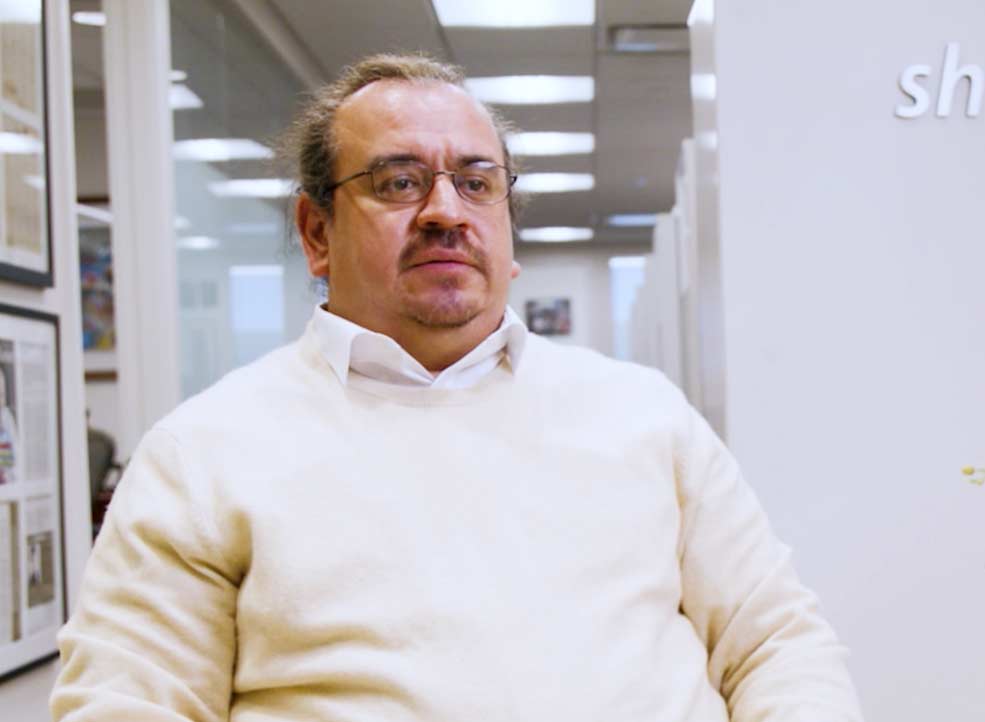
Nick Lopez always knew he wanted to serve. Technically gifted and deeply patriotic, he enlisted in the Army at 17, leaving behind his girlfriend — and a quiet hope that she’d wait for him. She did. Over the next 14 years, Nick completed multiple deployments to Iraq and Afghanistan, married that girl, and built a life defined by duty, discipline, and sacrifice.
Then his service ended. At 31, Nick came home for good — a husband, a father of three, and a man who had given his best years to his country. What he didn’t expect was how hard the next chapter would be.
An Empty Resume
“When I first came home, it was really hard looking for work,” Nick recalls. “I joined the military at such a young age that I had no history of work outside of the Army. My military experience included IT training, but other than that, I had an empty resume.”
The problem ran deeper than a thin work history. Army policy restricts commanders from verifying the details of a veteran’s military experience to outside employers — a protocol that, while procedurally sound, can raise red flags in civilian hiring. “It always sounds like they’re keeping a secret that might be negative,” Nick explains. “It creates a roadblock. The employer is left to wonder if the vet will cause problems.”
For three years, Nick searched. His family lived off his GI Bill stipend, and when that ran out, they began drawing down their savings. In a moment of quiet desperation, Nick tried an experiment — he removed his military service from his resume entirely. The callbacks increased, but the opportunities were hollow: low-level positions with little pay and no future. None of them came close to matching the advanced technical skills he’d spent over a decade developing.
“I felt like a failure,” he says. “I had regrets at that time about joining the military, because of the way things worked out. But my wife was always supportive. She never made me feel badly about anything, and we never went hungry.”
The Call That Changed Everything
Just as his options were running out, Nick’s phone rang. Sharp Decisions was reaching out about their V.E.T.S.™ Program — a specialized initiative designed to transition military veterans into civilian technology careers. Within days, he had an interview. Shortly after, he had a job offer. Three years of searching had ended in a matter of hours.
“Now I’m an administrator working in quality assurance and software testing,” Nick says. “I go to work every day as part of a team, alongside other vets. We train together and have a sense of reliance on each other. We all work in different areas of the company, but we’re all in it together.”
That team-first structure is no accident. The V.E.T.S.™ Program is deliberately built around the way veterans already think and operate. “The program trains veterans in squads for civilian technology careers,” explains David Lieberson, a Sharp Decisions account executive. “It helps retain the specialized knowledge our soldiers developed working with advanced technology in the military and channels it into the private sector. The success of the program stems from its military-inspired structure — one that leverages the team-focused skills vets already possess.”
Purpose, Reclaimed
For Nick Lopez, the program didn’t just solve a job problem. It restored something more fundamental.
“Sharp V.E.T.S. saved my life,” he says simply. “People think that vets join the military because they don’t have skills, but that’s not true. I joined because I wanted to serve my country. The kind of work I do now — I was bred for it in the military. After three years of looking, I’m grateful I was finally given the chance to do what I do best, and support my family the way they deserve.”